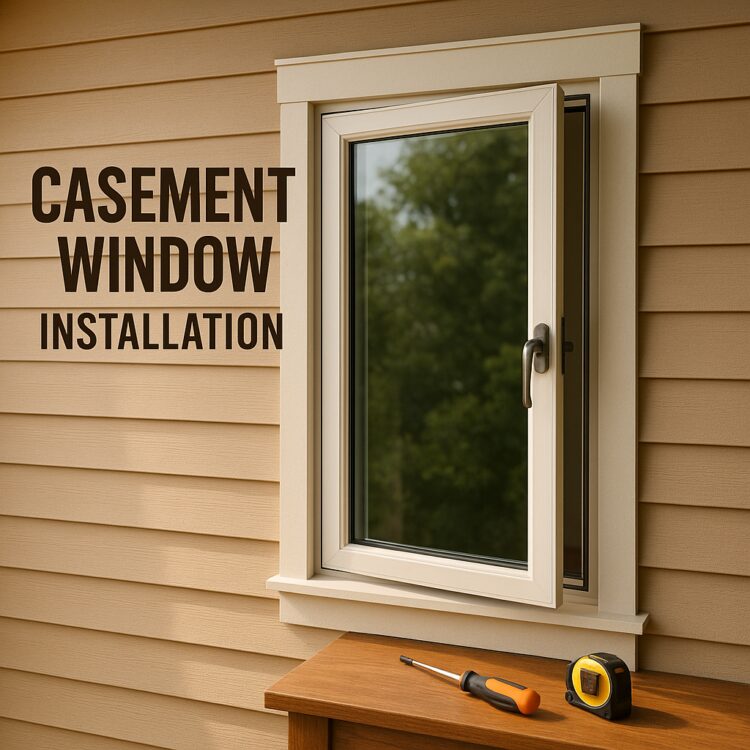
Casement Window Installation Casement windows are a popular choice for many homes due to their unique design and functionality. Unlike traditional double hung windows, which slide vertically, casement windows are hinged at the side and open outward, providing an unobstructed view and excellent ventilation. Understanding the installation process and benefits of casement windows can help you make an informed decision for your home.
Benefits of Casement Windows
One of the primary advantages of casement windows is their energy efficiency. When closed, they create a tight seal against the elements, minimizing air leaks and reducing energy bills. Additionally, the ability to open them fully allows for maximum airflow, making them ideal for kitchens and living spaces.
Another benefit is their aesthetic appeal. Casement windows can enhance the architectural style of your home, offering a modern look that complements various designs. They are available in various materials, including wood, vinyl, and aluminum, allowing you to choose the best fit for your home’s exterior.
Understanding the Installation Process
Installing casement windows requires careful planning and execution. First, it’s essential to measure the existing window frame accurately to ensure a perfect fit. Once you have the right dimensions, you can select the appropriate style and material for your new windows. The installation typically involves removing the old windows, preparing the opening, and placing the new casement windows securely in position.
Hiring a professional installer is highly recommended, as they possess the expertise and tools needed to perform the job efficiently. A professional will ensure that the windows are installed correctly, maintaining the structural integrity of your home and preventing potential issues down the road.
Cost Considerations for Casement Window Installation
The cost of installing casement windows can vary significantly based on several factors, including the size of the windows, the materials chosen, and the complexity of the installation. On average, homeowners can expect to pay between $300 to $800 per window, including both materials and labor.
It is essential to obtain quotes from multiple contractors to ensure you receive a fair price. Additionally, consider the long-term savings on energy bills as an investment in your home’s future. While the initial cost may seem high, the durability and efficiency of casement windows can lead to substantial savings over time.
In conclusion, if you’re considering casement window installation, understanding the benefits, installation process, and costs involved is crucial. By opting for professional installation and selecting the right materials, you can enhance your home’s comfort, efficiency, and aesthetic appeal. Take the time to research and consult with local experts to ensure a successful window upgrade.
Learn more on our website home page, and see additional consumer guidance from the FTC.
Casement Window Installation can be worth exploring based on your goals, budget, timing, and the type of service or product you actually need.
Casement Window Installation is worth comparing carefully before making a final decision about the right provider, service, or product.
For more helpful reading, see our Casement Window Installation article guide.
Ready to take the next step? Request your free consultation on our estimate page and see how Casement Window Installation can help with comfort, protection, style, performance, value, or the result you want for your vehicle, home, office, or business.
For more helpful reading, see our Casement Window Installation article guide.